
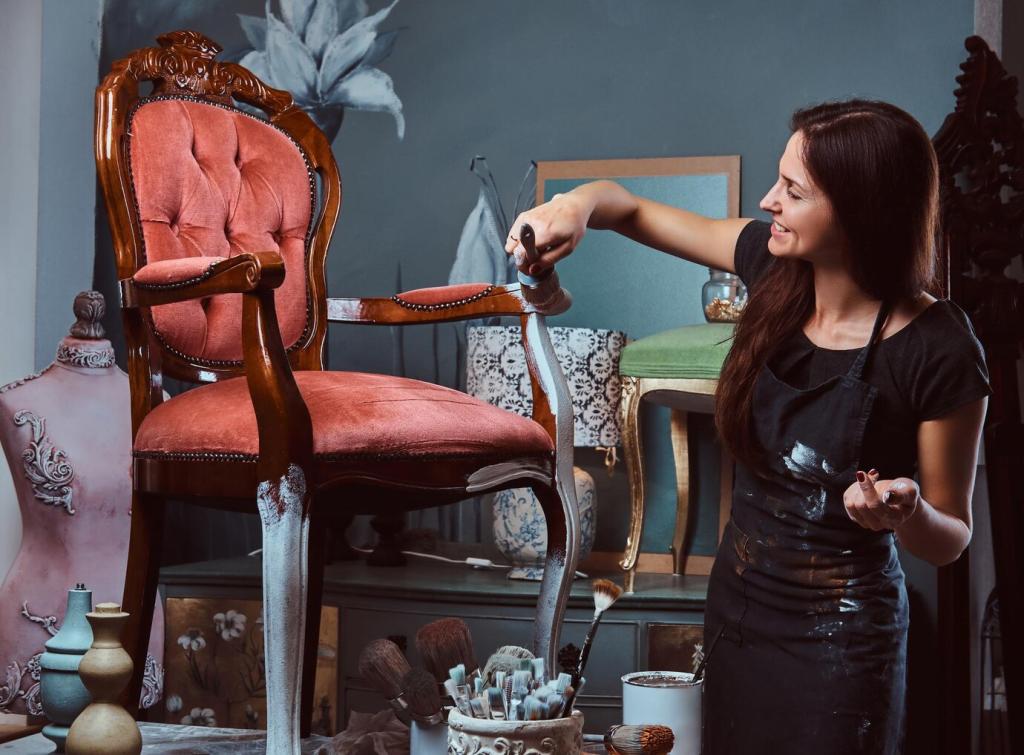
Protecting Furniture from Environmental Damage: Your Home’s Calm, Lasting Shield

Chosen theme: Protecting Furniture from Environmental Damage. Welcome to a friendly corner of practical wisdom where we keep beloved pieces beautiful despite sun, humidity, heat, and daily life. Settle in, learn a few museum-grade tricks, and share your own experiences. Subscribe for thoughtful, hands-on guidance that helps your furniture age gracefully, not prematurely.

Ultraviolet light slowly breaks chemical bonds in dyes and finishes, causing fading, haze, and brittleness. Leather lightens, oak yellows, and fabrics grow uneven. Track which pieces catch afternoon sun, then tell us in the comments what you notice week to week.

Know the Enemy: How Environments Wear Down Furniture

Layered Window Protection: Films, Shades, and Sheers
Modern UV films block up to 99% of ultraviolet wavelengths while keeping clear views. Pair them with solar shades around 3–5% openness and airy sheers for softness. We saw a rug stop fading after one season of film—try it and report your results.
Smart Placement and Seasonal Rotation
Rotate a leather sofa a quarter turn every three months, and angle a credenza so panels receive diffused light rather than a direct beam. Museums rotate exhibits to balance exposure. Borrow the habit at home and tell us how your pieces respond.
Finishes and Fabrics with UV Resilience
Waterborne topcoats with UV inhibitors, breathable waxes, and solution-dyed acrylic fabrics resist photodegradation better than conventional options. Test in a hidden spot first, then commit. Share brand wins or cautionary tales to help fellow readers choose well.

Moisture Management for Peaceful Wood

Place a digital hygrometer in the room and jot weekly readings. A tiny notebook or phone reminder helps you spot patterns. Readers often notice that opening interior doors stabilizes levels. Measure, adjust, and comment with your baseline and target.

Daily Habits That Build an Invisible Shield

Use a dry microfiber cloth or a vacuum with a soft brush to lift dust instead of dragging it. Feather dusters just redistribute grit. Wipe with the grain, not across it. What is your weekly routine? Share to inspire another reader’s habit.

Daily Habits That Build an Invisible Shield

Cork-backed coasters prevent water rings, felt pads diffuse pressure, and table pads under cloths block heat and light. Choose UV-stable throws on leather to avoid shadow lines. Post a photo of your setup; practical ideas help everyone thrive.

Daily Habits That Build an Invisible Shield

Stick to pH-neutral soaps, avoid silicone polishes that smear and attract dust, and skip ammonia on shellac. Condition leather with UV-shielding balms sparingly. Always test in an inconspicuous area and report your go-to products for the community list.

Daily Habits That Build an Invisible Shield

Lorem ipsum dolor sit amet, consectetur adipiscing elit. Ut elit tellus, luctus nec ullamcorper mattis, pulvinar dapibus leo.

Real-Home Tales: Small Tweaks, Big Saves

A reader noticed a pale halo appearing each summer. UV film plus rotating the table monthly stopped the fade, and a wax refresh kept depth in the grain. If you try this duo, subscribe and update us on your before-and-after experience.
Salt mist gently lands, quietly corrodes, and never announces itself. Weekly wipedowns with distilled water followed by a microcrystalline wax barrier kept hardware bright. Silica gel near doorways helped, too. Coastal readers, add your best rust-proof rituals.
An art deco cabinet bowed after one winter parked beside a radiator. Moving it thirty inches away, adding a vent deflector, and leveling with felt feet ended the drift. Share your spacing tricks so others can avoid the same heartbreak.

Plan for the Unexpected: Leaks, Smoke, and Moves

Keep furniture sliders, thick towels, and a fan handy. If water appears, elevate legs with saucers, dry the area gently, and start dehumidifying quickly. Photograph damage for records. Tell us which tools you keep ready so others can build a kit.

Plan for the Unexpected: Leaks, Smoke, and Moves

Wildfire seasons bring soot and odor that cling to finishes. Run a HEPA purifier near vulnerable pieces, ventilate slowly, and avoid harsh cleaners. Cover furniture during renovations. Comment with your best odor-absorbing strategies for tricky weeks.
Carbonfiberuav
Privacy Overview

This website uses cookies so that we can provide you with the best user experience possible. Cookie information is stored in your browser and performs functions such as recognising you when you return to our website and helping our team to understand which sections of the website you find most interesting and useful.