Chosen theme: Sustainable Methods for Furniture Preservation. Keep what you love, responsibly. Discover low-impact care, reversible fixes, and mindful routines that protect heirlooms and everyday pieces—while inviting you to share stories, ask questions, and subscribe for fresh, practical guidance.
Aim for 40–55% relative humidity to limit cracks, warping, and loose joints. Use a simple hygrometer, clay or ceramic humidity buffers, and thoughtful ventilation. What challenges does your climate bring? Tell us your seasonal swings and clever home solutions.
UV light breaks down dyes and finishes. Use sheer curtains, UV-filtering window film, and rotation routines to share exposure fairly. Keep plants nearby to soften glare naturally—then log results in a monthly photo diary and tag us with updates.
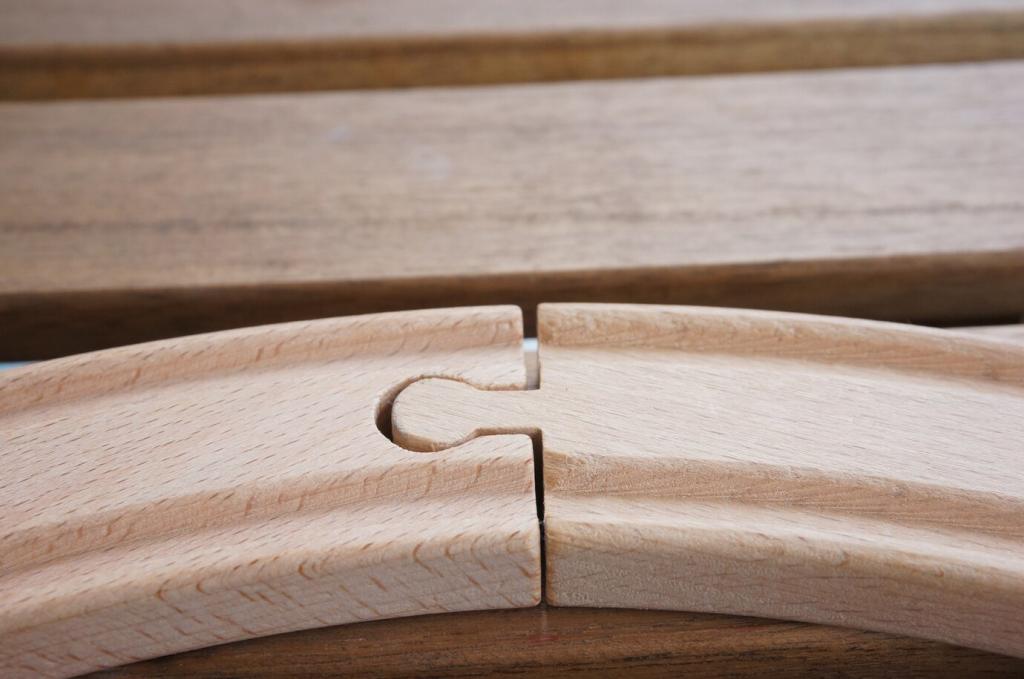
Identify mortise-and-tenon, dovetails, dowels, and veneers. Respect wood movement by aligning grain, easing clamps, and avoiding over-tight hardware. Hide glue excels for reactivation and reversibility. Download our free joinery cheat sheet when you subscribe today.
Joinery, Adhesives, and Ethical Repairs
Favor hot hide glue, fish glue, and starch pastes for veneers. Use PVA sparingly, noting its creep and removal challenges. Reserve epoxy for last-resort structural issues. Record products, dates, and locations—your logbook becomes a gift to future conservators.
Upholstery and Textiles with a Light Footprint
Linen, hemp, wool, and organic cotton offer durability, repairability, and low-VOC finishes. Opt for tightly woven fabrics and classic colors you’ll love for years. Considering slipcovers? Tell us your fabric picks and stain-resistant tricks below.
Upholstery and Textiles with a Light Footprint
Reuse horsehair when sound; pair with natural latex, coir, or cotton batting. Choose jute webbing and hand-tied springs for longevity. We’ll teach gentle cleaning and reconditioning—subscribe for a spring-tying tutorial that keeps tradition alive.
Preventing Pests the Eco-Friendly Way
Inspect regularly for frass, exit holes, webbing, or musty odors. Use sticky traps to monitor activity. Quarantine new acquisitions. For small objects, controlled freezing can help—always bag carefully and cycle temperatures slowly to prevent stress.