


Make It Last: DIY Techniques for Furniture Longevity

Today’s theme: DIY Techniques for Furniture Longevity. Discover practical, satisfying ways to care for wood, metal, and upholstered pieces so they age gracefully, tell richer stories, and stay in your home for decades. Share your go-to tricks and subscribe for weekly hands-on guidance.

Know Your Materials to Help Them Endure

Hardwoods like oak resist dents but still move with humidity, while softwoods like pine compress easily and bruise. Use coasters, add felt feet, and apply seasonal conditioning to minimize movement, scratches, and surface fatigue.

Know Your Materials to Help Them Endure

Tightly woven fabrics repel wear better than loose weaves and respond well to regular vacuuming with a soft brush. Leather thrives on gentle cleaning and conditioning every six months, avoiding sunlit windows that accelerate drying and cracking.

Know Your Materials to Help Them Endure

Powder-coated steel resists rust, but chips expose bare metal. Touch up promptly and separate dissimilar materials with washers or felt to avoid galvanic corrosion. Share a photo if you have a mystery stain from mixed materials.

Preventive Daily Habits That Add Years

Use microfiber cloths and pH-neutral soaps to lift grime without stripping finishes. Avoid abrasive pads and harsh solvents. Finish with a dry wipe to prevent water marks, then tell us your favorite gentle cleaner recipe.

Preventive Daily Habits That Add Years

Keep relative humidity between 40 and 55 percent to reduce cupping, cracking, and joint stress. Avoid radiators and vents. Even a modest room humidifier can prevent winter shrinkage that loosens chair rungs over time.

Protective Finishes That Truly Protect

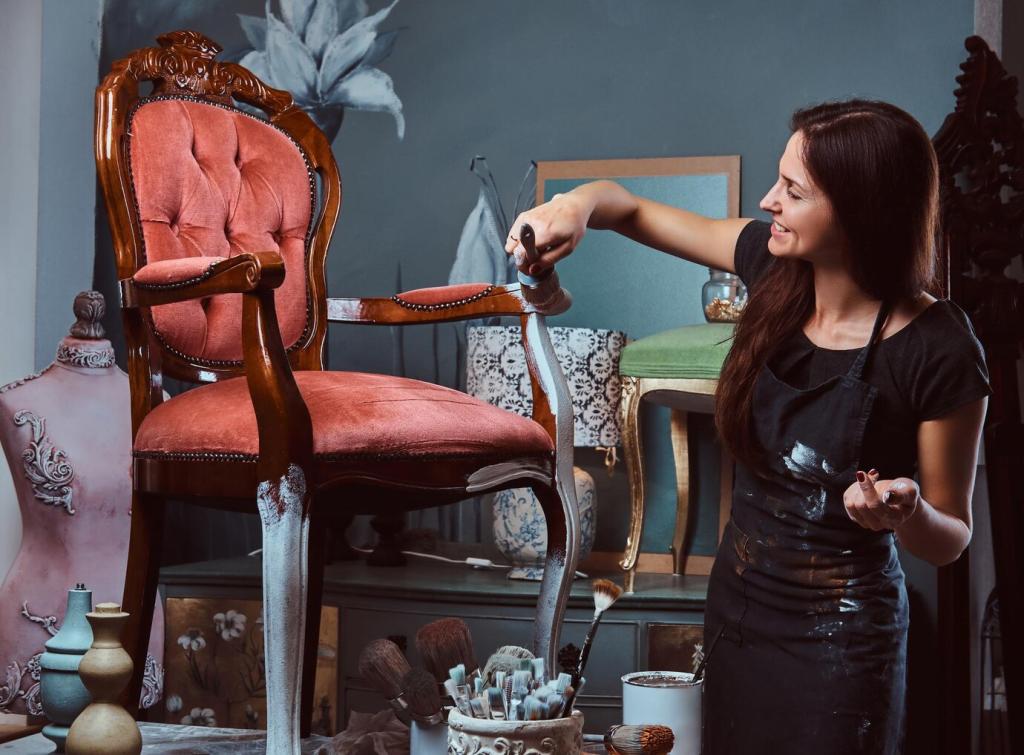
Penetrating oils bring out grain depth and are easy to refresh. Top with a hard wax for scuff resistance. Rebuff quarterly in high-traffic spots, celebrating the soft luster that builds rather than peels.

Stronger Joints, Longer Life

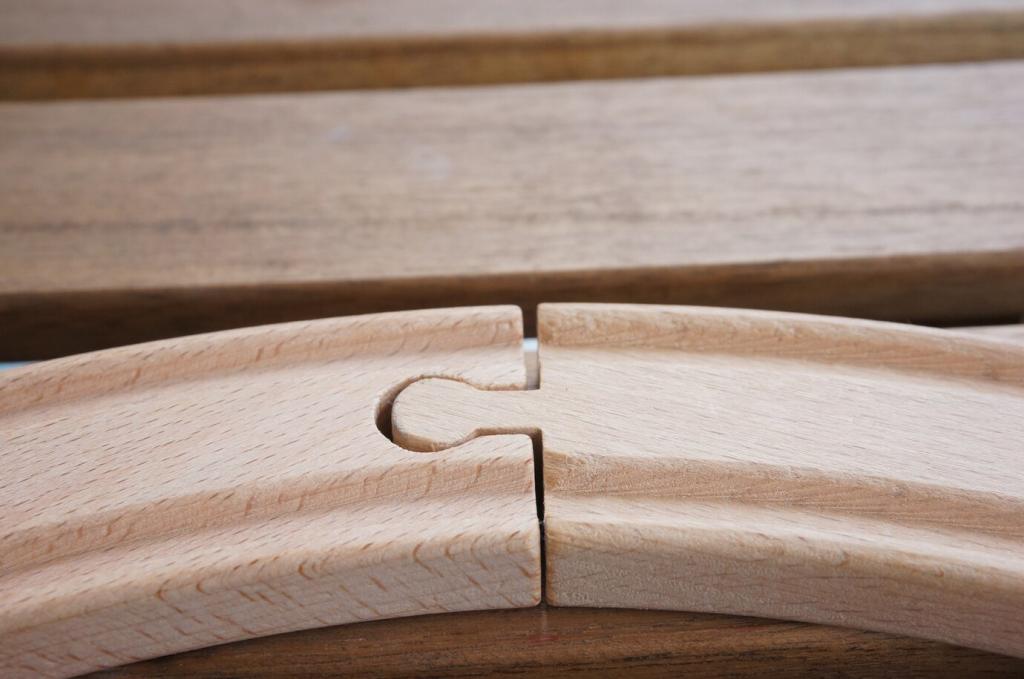
Hide glue excels for antiques and future reversibility, while modern PVA works for everyday chairs. Clean out old glue, dry-fit parts, then clamp gently. Share your first clamp-up success story for other readers.

Stronger Joints, Longer Life

Loose corners invite racking. Add hardwood dowels or install triangular corner blocks with screws and glue. Pre-drill to prevent splits, and match wood species to move together, keeping stress across fibers, not against them.

This is the heading

Lorem ipsum dolor sit amet, consectetur adipiscing elit. Ut elit tellus, luctus nec ullamcorper mattis, pulvinar dapibus leo.

This is the heading

Lorem ipsum dolor sit amet, consectetur adipiscing elit. Ut elit tellus, luctus nec ullamcorper mattis, pulvinar dapibus leo.

Hardware, Motion, and the Quiet Joy of Smooth Movement

Hinges and Slides: Align, Lubricate, and Protect

Tighten hinge screws into solid wood or use toothpicks and glue to rebuild stripped holes. Wax wooden drawer runners with paraffin. For metal slides, use a light, non-staining lubricant applied sparingly to prevent drips.

Casters, Glides, and Floor Protection That Lasts

Swap old casters for soft polyurethane on hard floors to prevent dents. Add felt pads and replace them seasonally. Floor protection is furniture protection too; your finish and joints thank you with quieter years.

Alignment Checks: Square, Level, and Rattle-Free

Use a square and a small level to diagnose rack. Shim subtly at contact points and re-tension hardware. Periodic tune-ups eliminate rattle-induced wear that slowly loosens joints, preserving structure and your peace of mind.
Carbonfiberuav
Privacy Overview

This website uses cookies so that we can provide you with the best user experience possible. Cookie information is stored in your browser and performs functions such as recognising you when you return to our website and helping our team to understand which sections of the website you find most interesting and useful.